
It is one thing to recognize, in an intellectual and abstract sense, that each of us will one day die. It is another to be practical about it, facing up to the challenges of the end of our lives with open eyes. As emphasized by today's guest Karen Lutfey Spencer in her book Your Good Death, these preparations need to include not only coming to terms with things ourselves, but having clear conversations with people who are close to us.
Listen or watch Rolex Planet Visionaries wherever you get your podcasts. #ad
Get 30% off your first year of the Base44 Builder plan at https://Base44.com/mindscape. #ad
Preserve your online privacy at Incogni and get 60% off an annual plan at https://incogni.com/MINDSCAPE. #ad
Selling a home doesn't have to be hard with Opendoor. Get your free offer at https://opendoor.com/MINDSCAPE #ad
Life is amazing. Remember with Aura Frames. Additional $5 off at https://auraframes.com/pdp/MINDSCAPE #ad
Look your best and support men's health at https://www.amazon.com/b?node=223476965011&ref_=MOV26_pod #ad
Support Mindscape on Patreon.
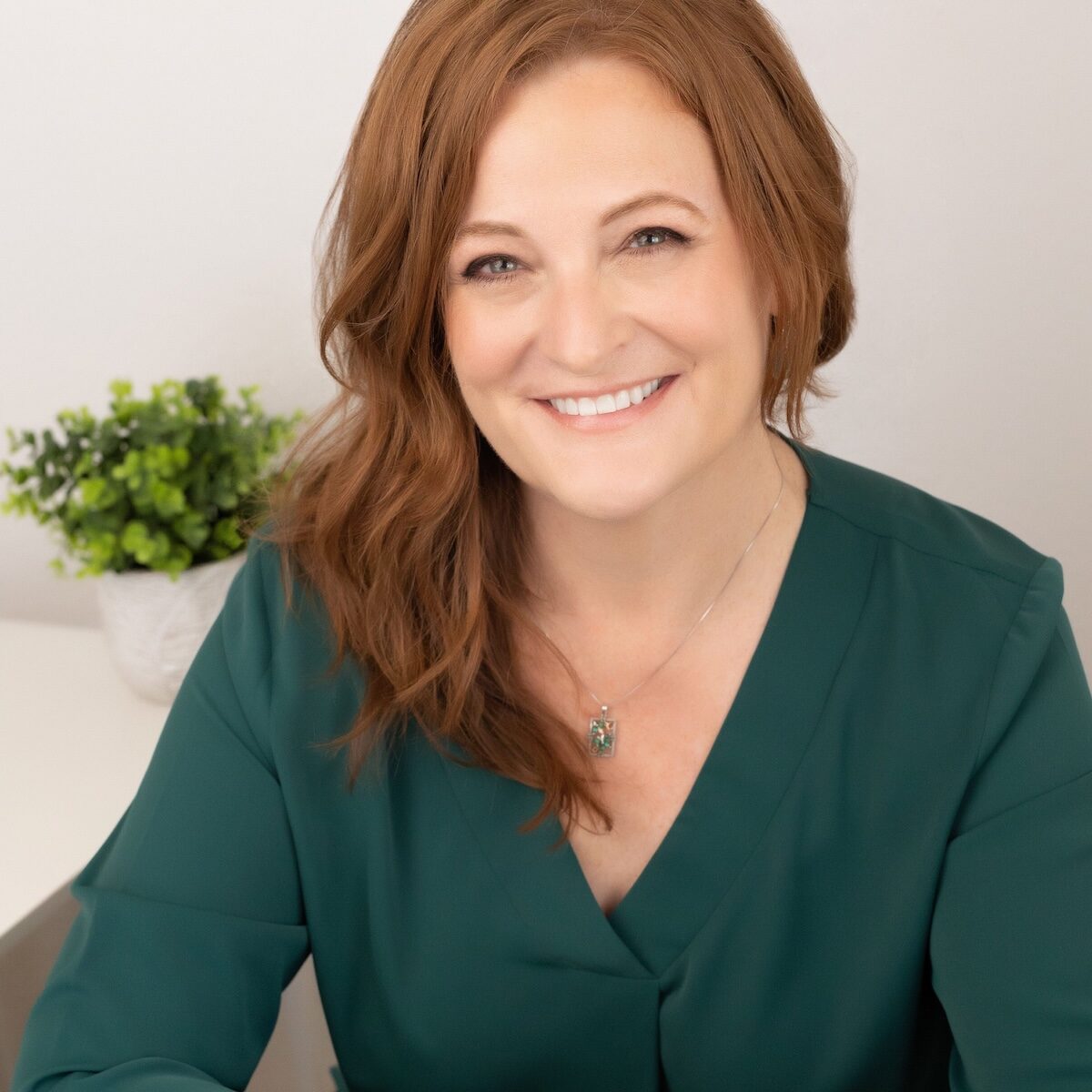
Karen Lutfey Spencer received a Ph.D. in sociology from Indiana University. She is currently a professor of Health and Behavioral Sciences at University of Colorado Denver. Her research spans a variety of topics concerning medical decision making and health outcomes.
Click to Show Episode Transcript
0:00:00.8 Sean Carroll: Hello, everyone. Welcome to the Mindscape podcast. I'm your host, Sean Carroll. You know that here at Mindscape, we're invested in bringing you the latest scientific discoveries. And apparently the new discovery is that someday we are all going to die. [chuckle] It's actually quite an old scientific discovery, we've known this for a long time, and it's not the same day that we're all going to die, different days, slightly unpredictable. But it's part of the fabric of biology and to be a living organism, especially a big multicellular one, that you only last for a finite amount of time. And interestingly, in various nations and societies on Earth, the average lifespan has gone up, but the maximum lifespan hasn't gone up that much. The average lifespan goes up because people are living closer and closer to 120 years or whatever the average maximum lifespan actually works out to be, so it's pretty inevitable. And we've talked before on the podcast with Megan Rosenbloom years ago, early in the podcast, about the fact that we're not very good as a society, as human beings, at facing up to this fact that someday we're all going to die.
0:01:13.6 SC: And I think especially here in the United States, this podcast episode is going to be pretty US-centric because that's just what we know about. People who are from other countries can chip in. But we have this combination of, as individual human beings, we're a little bit reluctant to face up to our inevitable demise sometimes. And talking about it is a bit awkward, especially talking about it with our loved ones and so forth. And then also institutionally, we have hospitals and caregivers and insurance companies, and they're entirely set up to treat you and make you better when you're sick. That's good, right? They should be trying to treat you, but they're really just not, as we'll talk about, set up for helping us face up to what happens when you're not going to be treated anymore, when it's not something that we can fix, when you're facing those last moments. And it would be nice, most people think, when you face close to death, to do it in the most pleasant way you can. Maybe you don't want to do it, but it's gotta happen, so let's make it more or less not terrible, right? Not really off-putting and alienating or whatever. Maybe we can do it at home, surrounded by loved ones or peacefully, comfortably, pain-free, whatever it is.
0:02:35.4 SC: So having these conversations both between ourselves and ourselves, thinking for our individual cases what matters to us as we approach the end of our lives, talking to our family members and our loved ones who might be responsible for making decisions in these moments, and talking to our healthcare providers, talking to our doctors and so forth about what the process is like. We don't do any of these things nearly enough, and it matters. And so we have a situation where a lot of people die in hospitals and it's sort of alienating and medicinal and institutional. It's not really what we want. So today we're talking to Karen Lutfey Spencer, who is a medical sociologist. So sociologist, she studies people, how they interact, how they interact with institutions and things like that. And then medical, so in particular, there's institutions, right? When you have medicine, you have hospitals, like we said, insurance companies, legislation, government intervenes in these situations sometimes.
0:03:42.9 SC: And then over the last few years, she's, like many of us, she's had interactions with people near the end of their lives. Her mother, her mother-in-law, et cetera. She has a new book out called 'Your Good Death: Why End-of-Life Healthcare Is So Difficult and How to Make It Work for You.' She was sort of inspired to shift her research focus within medical sociology to end-of-life care by the fact that she had to deal with people having end-of-life care, and it's just kind of clear how we can improve it a little bit. So the conversation is actually a lot about how you can actually specifically improve your end-of-life situation. That's why the book is called 'Your Good Death.' There's a lot in there about the institutions and hospitals and things like that, but a lot of it is in our individual hands. And one point that she makes is you shouldn't wait until it's almost here. These are things we should consider, take seriously even when we're perfectly young and very, very healthy, right? Because that's when you can think clearly and without being in a rush, et cetera, about what you value, like, what is important to you. If you start losing the capacity to do this or that as you get very, very ill and are approaching death, at what point would you rather stop doing dramatic treatments to try to squeeze out a couple more months of your life? These are difficult things to contemplate, but they're necessary things to contemplate. And the earlier you do it, the better, both in informal conversations with your loved ones and in formal documents that you might want to sign, advanced health directives, things like that. So here we are at Mindscape, doing our part to nudge people toward thinking about these difficult issues. It might be important to you or to someone you love down the road. So let's go.
[music]
0:05:53.6 SC: Karen Lutfey Spencer, welcome to the Mindscape podcast.
0:05:56.4 Karen Lutfey Spencer: Thank you so much for having me.
0:05:58.7 SC: You know, I gotta start... Sometimes I start with this question, but not always, but for something like this, what got you into this area? I mean, you're studying death, you're gonna be around a lot of people dying. It's obviously a necessary part of our existence, but it's not the most looked-for one. So what got you fascinated?
0:06:20.6 KS: So I had already been studying issues in healthcare and problems in healthcare for about 15 years when my mother was diagnosed with a brain tumor. And I found myself thrust into the role of a long-distance caregiver. And through that experience, I started looking around and saying, "Wait, this is another area of healthcare that has some of these similar issues that I'd studied before."
0:06:44.8 SC: And how popular is it to study it as a field? Like, are there a lot of death people out there? Do you have conferences?
[laughter]
0:06:54.2 KS: We do have conferences. So there's a lot of death people around, adjacent to healthcare. And then there's also a lot of people just studying issues in healthcare and bias and medical decision-making more generally. So it's a big field. It's very multidisciplinary.
0:07:12.9 SC: I was just gonna say, it's very multidisciplinary. You come at it from the sociological point of view, which is kind of cool, but I presume that you're talking to a lot of public health people, medical professionals, things like that.
0:07:25.2 KS: There's a lot of that, yes.
0:07:28.2 SC: And do sociologists think that what you're doing is sociology?
0:07:34.5 KS: They definitely do, because sociologists are very interested in looking at how the individual is nested in larger social systems. And so how the very macro meets up with the micro and back and forth. So for sociologists, thinking about how individuals are nested in healthcare is sort of one more case of thinking about how individuals are nested in schools or government or policy.
0:07:58.0 SC: I mean, from the just individual point of view, I mean, let's just face up to it, right? Probably this is gonna be the theme of the podcast is facing up to things. So, death is gonna happen to us all, most of us accept this in the modern world, but we don't really want to think about it. I mean, what is the psychology here before we even get into the sociology?
0:08:21.9 KS: Well, so as a sociologist, the thing that I am most focused on is how people interact with social systems. And I think there's a lot of ways that our social systems have spillover outside of the walls of healthcare. And so to the extent that our healthcare systems tend to be focused on treatment and less set up to talk about off-ramps from treatment, then I think that kind of compounds what we have going on socially, which is a tendency to not want to talk about these things.
0:08:55.5 SC: I mean, I guess that's my attitude, but it's not a very informed one, so you can help me out with the data here, that we in general, in the United States, maybe the world, maybe you can compare the US to the world, do a bad job of conceptualizing, thinking about, planning for our ultimate deaths.
0:09:16.3 KS: It's a topic that has a lot of depth across cultures, across history. And so one of the reasons I named the book 'Your Good Death' as opposed to A Good Death is that it's not singular and it varies pretty dramatically. But I wrote in the book about history, about how the Greeks and Romans thought about what a good death looked like, and the Native Americans, and sort of all the way up to the modern Institute of Medicine. So there's a lot of variation and it can look differently for individuals.
0:09:47.4 SC: How has it changed? How is it different now than for ancient Rome or for Native Americans?
0:09:53.1 KS: Well, I think one of the main things that's happened is we've medicalized it. And so in those more historical kind of contexts, your community mattered a lot, your ancestry mattered a lot. And so the idea that you are part of a community, you would be accompanied on this transition, all of those things were really part of what we thought about for a good death. But then in the mid-1900s, we have this rise in physicians and hospitals especially, and then we have this huge medicalization of death and dying. So I think on the other end of that, you have the Institute of Medicine talking about what a good death looks like, and it's very much happening in a medical setting.
0:10:35.5 SC: And so do I take from that that what it was like in ancient Rome is more similar to what it was like in pre-Columbian America than either one of them are like it is now?
0:10:49.8 KS: I think that's fair. I don't think those societies were having to answer questions like, "Do I need an advance directive saying how many days I'm willing to be on life support?"
0:10:59.6 SC: It's kind of strange to me... This is gonna seem very different, but I was reading the Wikipedia page on the subject of dinner, like the meal that we eat at the end of the day. And of course, it's completely different than it was 150, 200 years ago, just because they didn't have electrical lighting, right? So the big meal of the day was lunch and you had a small meal at dinner time. And I think people have forgotten very quickly, and I suspect the same thing is true with death. It wasn't that long ago before it was medicalized, but we have no sort of social conception of what it was like anymore.
0:11:35.0 KS: Well, I think especially for younger people. So a lot of people I would interview, say they were... So I was maybe in my mid-40s when I started this research, and they would be maybe 10 years older than that, and they would be like, "When I was a kid, grandma was dying in the back bedroom and mom was taking care of her."
0:11:54.2 SC: Yeah.
0:11:54.7 KS: So there was this more multigenerational households and you would see up close what it looked like for someone to be dying. So that was something that you were exposed to and it made it easier to recognize.
0:12:09.2 SC: And now we're all losing that. The younger generation has not seen anyone die in their house.
0:12:15.0 KS: Right. And that's part of medicalization, that it tends to be just taken away and it's supposed to be something that happens elsewhere. And I think that makes it harder to talk about.
0:12:25.9 SC: So what is a typical set of circumstances in the United States, let's start with, for someone who is close to death? Are they in a hospital? Are they in a hospice? Is it at home?
0:12:40.3 KS: So maybe let me share a statistic that motivated this research for me that still really bothers me, which is in public surveys in the United States, when you ask people where they prefer to die, 70% of them will say they prefer home palliation and to die at home. But only about 30% of us actually get that. So to me, that difference between 30 and 70 is a lot of people not getting what they want. And of course, when you're talking about people dying, there's a lot of ways that that is out of anyone's control. It can happen a lot of ways, but I do think some portion of that is because of what's happening in healthcare. And so more people than ever, getting back to your direct question, more people than ever are using hospice, which is great. So something just over half of people in any given year now are dying in hospice. However, our hospice stays are extremely short. So under Medicare, you can have six months of hospice coverage, but the median stay in hospice is like 18 days. And it's been that way for years. That number's not really budging. And about a quarter of people stay in hospice for a week or less. So what that means is people are very close to end of life by the time they get a hospice referral or they make that decision to go. And that is, to my mind and I think a lot of other people's, it's an underutilization of what hospice can bring to the situation.
0:14:11.6 SC: I always like to imagine that there's people worldwide listening, or people who will be listening 500 years from now. So tell us what hospice means. What does that word mean? How is the system used?
0:14:23.2 KS: Yeah. So hospice came to the United States in the '70s, and it comes to us most directly from the UK. And so it's been around long enough that it has a lot of stereotypes and maybe some myths attached to it. But hospice is a type of palliative care. So I think we should talk about hospice and palliative care hand in hand. So, palliative care is a broad umbrella term where hospice is one thing under that umbrella. And palliative care is oriented to comfort care, helping people have quality of life, care that's aligned with what's important to them. And hospice is this one piece under the umbrella that's covered by Medicare. To get your hospice Medicare benefit, you have two physicians who sign off that they would not be surprised if the person died within six months.
0:15:12.6 SC: Okay.
0:15:13.0 KS: And to get that coverage, you have to relinquish any kind of medical care coverage under Medicare that is intended to cure your condition. So this gets called the terrible choice in healthcare circles. And it's framed as this real fork in the road. And so you get a lot of cultural stereotypes around hospice as for quitting. Palliative care is much newer in the US and it's really been established as a subspecialty in the 2000s. And that does not require a certain prognosis or diagnosis or a certain age, it can be used concurrently with curative care. So palliative care is something that I think people don't know nearly as much about, but it's a fantastic bridge from something like hospice to curative care.
0:16:00.4 SC: And is the idea behind hospice... I've actually been there, my mom used to volunteer in one, but it's my job to ask questions as if I know nothing. So is part of the point that it's just a more pleasant environment than to be in a hospital?
0:16:16.2 KS: I think that could be interpreted in several different ways. It kind of depends what's most important to people. So hospice is designed to provide support for people even if they are not in a hospital or not pursuing curative care. And so this might mean that people would rather be home than be in the hospital. They might not want to keep having treatments that have a lot of side effects and are really draining. They would rather spend their time at home. And so hospice is set up to let people do that while also being as safe and comfortable at home as possible.
0:16:54.7 SC: Okay. I guess I'm just thinking of my typical experience in hospitals, where they're optimizing to try to treat you, not to make it a warm, welcoming environment, right? It's all bright colors and no rugs and nothing very welcoming, and maybe the hospice tries to be a little bit more decorative, aesthetically pleasing.
0:17:19.5 KS: Well, and most hospice care happens in people's homes.
0:17:23.8 SC: Okay.
0:17:24.1 KS: So a lot of people think that you have to go somewhere to be in a hospice, but really, hospice most of the time can come to you.
0:17:31.1 SC: I see. So hospice is a stage in the journey. It's not a place that you go.
0:17:38.6 KS: Exactly. Exactly.
0:17:40.0 SC: Okay, very good. And this is already very educational for me. You mentioned this number, 30% of Americans dying at home. On the one hand, yes, that's less than the 70% who want to. On the other hand, I would have guessed it would have been less than that. Is this something people are making more of an effort? And also, a slightly different question, is that 30% including people who just die by accident, as well as people who have sort of entered this hospice or palliative stage?
0:18:10.6 KS: Well, definitely that's one of the ways that people cannot end up having the end-of-life care they want. If someone just dies suddenly, they have an accident, lots of ways that this can not be something that we have time to see coming. That's definitely an issue. So in that way, I think it's a privilege to be able to stop and think about these situations, because a lot of times people just don't have any choice at all.
0:18:36.9 SC: Yeah. So, I mean, how quantitative can we be about that? I mean, I literally have no idea how many people see it coming in some sense, versus it's a sudden hit of some disease you hadn't anticipated.
0:18:52.7 KS: So we do know that just over half of Americans, of Medicare beneficiaries who die, are using hospice at the time of their death.
0:19:02.7 SC: Okay.
0:19:03.7 KS: So that's a huge increase. That started from nothing in the '70s to just about half of people. So that is tremendous. That's wonderful. I think the issue that's hanging on is the very short stays. And so the implication of that is that if people assume that healthcare is going to tell you what you need to know when you need to know it, they'll say, "Hey, it's time for you to consider hospice. There's not much more we can do with treatment." The assumption, I think, a lot of people have is that that will happen in a way that you can still attend to items on your bucket list, take your grandkids fishing, or whatever it is. And in reality, people are not getting those referrals until they may be so sick that they're not getting out of bed, they're not talking, they're not eating. And I think people aren't really prepared for that. So I think the short stays are a continuing issue.
0:20:02.1 SC: That's an issue, definitely. And also it leads into the other thing I was going to ask about. You said that once you're at that hospice stage, you've sort of agreed there won't be any attempt to do dramatic medical procedures to prevent you from dying, but presumably there are things that the medical staff does to help manage your pain or just provide you with the necessities.
0:20:31.7 KS: Yes, that's what hospice is really good at. So they're helpful for symptom control, so nausea, pain, breathing issues, these are all kind of common buckets of issues people are dealing with. But that fork in the road, I think, postpones conversations about what people's goals of care are, what their priorities are.
0:20:53.7 SC: Well, I guess let's get into that then. What if... It sounds like the scene has been changing on sort of a generational timescale, going from people die at home to people die in hospitals to now more and more people are in hospice. How much ahead of time should we be planning for this kind of thing?
0:21:17.2 KS: I mean, my answer to that is these conversations should be happening today. And part of the reason for that is that this is not just a situation that affects people who are older or have a serious illness already. One in four people in this country is a caregiver. Caregivers are younger than ever, so we have this huge population of youth caregivers. And all of those people are affected very deeply. Their health, their school, their families, all of these things are affected when people are pulled into that caregiving role. So I think it's never too early to have these conversations.
0:21:54.8 SC: One in four people is an amazingly large number. That surprises me, I guess.
0:22:00.8 KS: It disproportionately affects women and people of color. And our health policies are not really set up to cover a lot of these costs. And so putting someone in a nursing home or memory care or any of these facilities is very expensive, easily $20,000 a month, even $10,000 on the low end, right? So these are very large costs. And when families can't support that kind of cost, you get a lot of this unpaid caregiving work happening.
0:22:34.0 SC: Well, it does seem... You're the sociologist here, but it does seem that it's very expensive to get old, right? Like suddenly, you've done your best, you've saved up a lot of money, and at least here in the US, they're very good at extracting that money from you in your last few years.
0:22:49.2 KS: They're extremely good at it. And so this is a case where, with a lot of this, these are system-level problems. And my book is really trying to show individuals what those system-level issues are and maybe giving you tools to help respond to them. But the source of the problem is really at the system.
0:23:07.9 SC: Yeah.
0:23:08.7 KS: And so our caregiving support policies, I think I would advocate, need to be much stronger. We need to be paying people to help cover these gaps that are in our healthcare system.
0:23:22.4 SC: So from what you said already, it sounds like when I say, "When should you start planning?" You say today. And I get that. But it sounds like there's different sort of stages of the planning. Like a perfectly healthy 30-something can plan for what? What would you advocate for the 30-something to plan for?
0:23:43.0 KS: Well, so a 30-something who's healthy today could definitely be thinking about, like, what does quality of life mean to them? And I think that's a great question to ask when you're healthy, because a lot of times when I talk to people about that, they will immediately jump to, "I would only be willing to be on life support for X number of days." When really, I think there's an opportunity to think about it upstream and be like, if you're healthy today, what made your day good? What were the sights, smells, sounds? Was it having coffee at your own kitchen table in your own clothes? Was it having your dog there or your spouse there? What are those things? And I think that's one really simple baby step for thinking about these things. It doesn't have to be starting with signing all your advance directives and creating a trust. But I think thinking about these things, because then if you are in the throes of a serious illness or someone you care about finds themselves in this washing machine of our healthcare system, it helps if you have that touchstone of things that you've already thought about, about what matters to you.
0:24:52.1 SC: No, that's a great suggestion. I'd never quite thought of it that way. Rather than thinking of it in terms of days or time periods, but what are the factors that make your life worth living? It does remind me of the sort of philosophical question, but you now, when you're 30-something and thinking of those things, are a different person when you're 70-something and your conditions have changed. So it sounds like an ongoing process, not just something you decide once and for all.
0:25:20.8 KS: Exactly. Very well said. It's exactly it. And so if you've never thought about these things before and you suddenly find yourself in a crisis situation, navigating a stressful, upsetting situation, you're trying to learn a lot of things all at one time, and that's the first time that you've ever thought about or talked about what a good life looks like to you, then you're starting from scratch.
0:25:50.9 SC: And it's kind of what you have so far suggested is really purely internal, perhaps, right? Just sort of thinking for yourself through these questions that nobody else can really answer for you.
0:26:03.8 KS: Yes, there is a piece of it that is definitely that. It's kind of like this old parable about eating an elephant, looks different depending which part of it you tackle. And one of the reasons the book is titled 'Your Good Death' is the idea that this is specific to each kind of situation and individual. But it could be those internal conversations. It's very important then to communicate that to people who might be around you, who make decisions for you. But it could also be those advance directives. It could be financial pieces, it could be planning for caregiving. And I think there's a lot of variation and diversity in what that can look like for people. But the internal conversation is a great starting point.
0:26:48.3 SC: Yeah, absolutely. And so you've mentioned advance directives. Let's not assume that anyone knows what that is. What does that mean?
0:26:55.2 KS: So advance directives is another sort of umbrella term for forms that you can sign that help put into writing what your wishes are. So there could be, people have maybe heard of a do-not-resuscitate order. So this is something people sometimes have signed, posted prominently on their refrigerator, so if the paramedics come in, they know that the person does not want to be resuscitated. You can sign those in hospitals also. People have living wills. People designate medical power of attorney people who would make health decisions for them if they were not able. Yeah, living wills would be a document where you say, like, this is how long I want to be on life support, or if I was in this situation, this is what I would want.
0:27:43.0 SC: How legalistic do these have to be? I presume that in different communities or whatever, different laws apply and there are different levels of stickler-ness about getting things notarized or what have you.
0:27:56.9 KS: Yes. So all of these are much more powerful if they're braided together with conversations with people around you. Because you can imagine a situation where someone's in the hospital and there's a sheet of paper that someone says they signed, but no one really knows anything about it.
0:28:14.5 SC: Yeah.
0:28:15.7 KS: Right? You want that sheet of paper to be lined up with your family members standing there saying, "We've talked with them. We can confirm this is consistent with what they said." So that's part of it. And from there, I would say some of it depends also on the nature of the thing that you're trying to make an advance directive about. So some people will make trusts to protect their financial assets. That's obviously farther into the nitty-gritty.
0:28:47.4 SC: And so good. So I'm getting the picture that there's a stage at which I think about what it is that makes it all meaningful to me, but then I better have a conversation with the people who might be there in the hospital room when the moment comes.
0:29:01.7 KS: Yes. Yes. And I think the more people talk about this, the easier... Maybe easy is overstating, but it gets less difficult and more familiar.
0:29:14.8 SC: Well, let's dig into that. Let's be honest about this. What if one member of a family... And the family's pretty close and they get along, but they decide... They have opinions about what to do near their end of their lives and the rest of the family disagrees? Are there rules or guidelines for ironing that out or who wins or what to do?
0:29:37.5 KS: Well, probably no one wins in those situations, even though they happen all the time. So there are online tools, a lot of them these days, but there's a couple that I really like. One is called Five Wishes and one is called the Conversation Project. And these are... They have written worksheets and questions that you could ask each other and facilitate a conversation to have some of these in advance.
0:30:04.3 SC: Okay.
0:30:05.8 KS: Yeah. But when there's disagreement or people have never talked about it, it is a setup for those kinds of problems. And you can imagine that takes a difficult situation and makes it worse.
0:30:17.1 SC: So would you recommend that someone who was in the middle of their life and feeling relatively healthy to go ahead and start the legal document process as well as the informal chatting with your family process?
0:30:30.8 KS: I think so. I think so. And they can be bigger or smaller. And so this Five Wishes website, they're actually set up to help you create an advance directive that can be legally binding.
0:30:45.2 SC: Okay.
0:30:46.4 KS: So there are places that you can start with that, but I think things like living wills are appropriate.
0:30:52.3 SC: Yeah.
0:30:53.9 KS: And it depends what would happen if...0 right? If you died suddenly or you were suddenly on life support. It will look different for each person, like who's affected by that, what are you leaving behind?
0:31:00.7 SC: Right. And... Okay, good. Let's move over to the sort of institutional healthcare side of things. We have the family, we've talked to them, we've ironed out our disagreements, at least we're clear on what we want. But then we're like, something happens and we're in the hospital. How good is the healthcare system, how good are doctors at both, number one, figuring out whether we're really close to death or not, and then number two, communicating that to us?
0:31:35.5 KS: I think doctors are a lot better at figuring out if we're reasonably close, although they will tell you, like, it's very difficult to prognosticate. It's very difficult to know exactly what's going to happen. But in broad strokes, I think that it's not that they have no sense of what might happen, but I think where the system breaks down more is that we have a lot more defaults that lean toward treatment and fewer that lean for sort of pumping the brakes and saying, "Let's have a conversation about your goals of care. If this were to go in a direction where we couldn't cure you, let's make sure that we've had a conversation and established in your healthcare record what is important to you."
0:32:20.8 SC: So you're saying doctors are not so good at that empirically.
0:32:24.8 KS: And I would say not even it's that doctors, because people say, "Well, I really like my doctor, and I trust them to tell me these things." And doctors, when I interview them, say, "It's the thing I care about least. It's the most upsetting thing to me is when I have to say that kind of news to a patient. I don't want my patients to think I gave up hope on them." But doctors are nested in this same healthcare system that we are, and that system in the United States in general, we're very good at scientific advancement. We've had a moonshot cancer initiative since the Nixon administration. We have a long history of trying to be good at curing things and having scientific advancement, and that has a lot of spillover to these downstream situations where we just are still aiming for a cure and aren't as good about covering this other side of it.
0:33:23.8 SC: Do medical schools or do other aspects of the system help educate doctors on this aspect of their profession, or is this one of the things you're supposed to pick up on street corners?
0:33:35.7 KS: I think they are working on it. So now we have people who can be specialists in palliative care. That's huge progress. And that can be physicians, nurses, physician assistants, all the way down across the board, people specializing in palliative care. So we've seen progress on that, but I think this major momentum toward a focus on cure gets baked in at several levels. So it gets baked into education, it gets baked into training, it gets baked into what insurance will pay for. Insurance is paying way more for surgeries or MRIs or treatments than it is for that 30-minute goals of care conversation. So all of these things contribute to a situation where it's easier to be on that treatment superhighway than to have the off-ramp.
0:34:28.9 SC: I guess I kind of understand if you're a doctor or a nurse in a hospital thinking that your goal is treatment, your goal is to make people better and send them back. I don't understand the insurance side of things. Is there some financial incentive for them to have it drawn out as much as possible, or is it just that's not what they're good at?
0:34:52.0 KS: I think it's more that it's not what they're good at, and there's a lot of benefits that accrue in this snowballing sort of way for having success in treatment. So if you walk into a major academic medical center and look around, they're drawing dollars from the National Institutes of Health to do research on cure. Unless you're in a really special place, which there are those where they're pulling in a lot of money to study palliative care. We have one of those at the University of Colorado. But there's a lot of money coming in, so that reinforces research projects. I think it reinforces merit evaluations, performance evaluations for individual providers. At many levels, it's baked in.
0:35:39.9 SC: Okay. Yeah, I mean, I guess I would maybe say even more than you've already said about the incentive structure here. We want to cure people, we want to get them better. Is comfort and the psychological side of things an important incentive for the... I don't know even what to ask about, the doctors, the system?
0:35:59.2 KS: I think those things are important. And when you talk to individual doctors, I mean, they're human beings who get into this because they care about their patients. So they care about these things, but sometimes they are... I think they lack training and they lack experience in having these conversations and shifting gears. So they sometimes will just keep treating, and they're waiting for either evidence to accrue that treatment's definitely not working, or sometimes they tell me that they are waiting for patients to really get their head around what treatment looks like before they decide that it's not worth it. They're waiting for a lot of things, and sometimes they don't have the skill set or the time in their schedule to have these conversations.
0:36:51.4 SC: So actually, I mean, in a sense, that's kind of encouraging to me. Rather than it being a nefarious consequence of a badly designed system, it's human nature. Human beings don't want to say to someone in their care, "Well, you better prepare for it to all end soon."
0:37:11.3 KS: Exactly. There's a lot of human nature in it. And I think it's really important to acknowledge that and to speak up on behalf of doctors. All these providers, they're trying really hard, and I think they are nested in a system that does not always facilitate what they are trying to get done.
0:37:32.7 SC: I mean, if I'm a doctor, one of the things about being a doctor is the human body is a mess, and it's very complicated. And it is, like you said, it's hard sometimes to prognosticate what will happen. Are there guidelines for, if I think there's a 50% chance my patient will die, what I should say? If I think there's an 80% chance... Is that even a sensible thing to ask?
0:37:55.6 KS: There are guidelines, and these are things that you could Google and look up in journals.
0:38:03.8 SC: And do you agree with the guidelines? What kinds of things do they say?
0:38:09.8 KS: Sometimes they even... Sometimes it is as simple as a certain diagnosis triggering a palliative care referral.
0:38:16.0 SC: Okay.
0:38:16.2 KS: Sometimes if the family asks about it, it's supposed to trigger a palliative care referral. So sometimes it's very basic things. There's also something called a Palliative Performance Scale that I saw people talk about a lot, and this is a scale of 0 to 100 where you can kind of rate how independently someone's functioning. It kind of ranges from, "Are they in bed, not able to do anything?" Versus, "Can they go to the store?"
0:38:47.5 SC: How do those guidelines work in the case where the patient, for whatever reason, has not indicated any guidance whatsoever or any preferences? Is there on that side a sort of presumption that the doctors will try as hard as possible to keep them alive for as long as possible?
0:39:06.2 KS: I think that's exactly the scenario that it opens us up for.
0:39:09.6 SC: Yeah.
0:39:10.9 KS: And that's why I took this tack with the book of saying, if we can educate people more about what the defaults are in the system and what tools can sort of interrupt those defaults, we might get some more people who can put their hand up and say, "I'd like to have a conversation about my goals of care. I'd like to have a palliative care referral so that we can be assessing treatment options, but also non-treatment options or non-curative options."
0:39:41.7 SC: I guess I can already see how difficult this all is, because on the one hand, it sounds like we should say that a general practitioner, when meeting with someone who's perfectly healthy in their 30s, might broach the topic and say, "You might want to think about what you consider to be the valuable parts of your life and letting people know," et cetera. But then I can also imagine the patient saying, "What are you trying to tell me here? What did you find out in your exam?"
0:40:08.9 KS: That's exactly the scenario. And so we know from a policy perspective, the more we can build in defaults, the less we're subject to those conversations. Because then we can say, "It's not specific to you or this visit. We advise everyone to have one of these on file in their electronic health record."
0:40:39.6 KS: Right. So if someone says to you, "I think you should..." I don't know, whatever you would do on a regular basis, right? If someone says, "You should go for your mammogram," I don't say, "Oh my God, why did you say that to me? What's wrong with me?" I know...
0:40:52.8 SC: It's a regular thing.
0:40:52.9 KS: It's a regular thing. Or like a colonoscopy, right?
0:40:55.4 SC: Right.
0:40:57.1 KS: It can just be a default kind of thing, and I think that's a powerful way of changing the conversation.
0:41:03.9 SC: Actually, that's a very good point. If I know that once you hit age 50, the fervor with which your doctors tell you to have a colonoscopy goes way up. So if it were a similar thing, like once you hit age 50, you have this conversation, then people will be a little bit less surprised by it.
0:41:20.8 KS: Right. Right.
0:41:21.8 SC: And how would we make that happen? Is this a legislative thing? Is this an American Medical Association thing?
0:41:30.7 KS: I think it can be at all of these different levels. This is something I hear, when I go to the doctor, this is a slot that they already have filled out in my portal. So I think as we have these condensed electronic health records and you can log in and see your test results and things, there are places in there where people can fill out a form with some basic information and then it's available to anyone in that healthcare system who looks you up in your record.
0:42:03.4 SC: I guess, since I know nothing about this, does everyone have a single electronic portal healthcare record that follows them from provider to provider?
0:42:13.4 KS: No, they definitely don't. They definitely don't. And this is where the fragmentation of the system is a contributing factor.
0:42:24.1 SC: Yeah. But on the other hand, I'm now worried about privacy concerns or whatever. Do I want my Social Security number to be a key to some big health record that follows me from place to place?
0:42:38.9 KS: Well, I don't think your Social Security number has to be in there. I think this would just be along with your other sort of HIPAA-protected health records that are in there. But not everyone has that, that's a really critical point.
0:42:53.2 SC: Right. And okay, so what about... We've been talking about the doctors and what they could do. I imagine there's some problematic patients, right? Who just don't want... Their answer to all these questions is, "No, I'm gonna keep fighting forever." And is this something we have to roll with or can educate people about?
0:43:13.2 KS: So again, like 'Your Good Death,' everyone, I think, should be making the decisions that they want. And there will definitely be differences in this way. There will be people who want to have as much treatment as possible. I think the important thing is making sure people understand what these defaults are in the system and that this idea that, "My doctor will just tell me when I need to switch to hospice and then I'll have time to do things on my bucket list." I think we need to educate people about why that's not a great assumption and things that could get in the way of that so they could make decisions if they want.
0:43:52.6 SC: And this seems a little, I don't know, fuzzy-wuzzy or whatever, but I totally agree we should educate people, but it just seems hard. People don't want to talk about it. People don't want to have these conversations. Is there... I don't know... Is there some one weird trick that lets people be more comfortable just thinking about these things out loud?
0:44:12.0 KS: Well, again, I think the idea that small bites start to add up is powerful. Another thing that's powerful is people who have been caught in this system, it's like the light bulb goes on. So I don't know if you've talked with people or you've been in that situation where someone is dying and then the healthcare situation just adds to a stressful situation.
0:44:25.6 SC: Oh, yeah.
0:44:39.1 KS: People are acquiring new information.
0:44:40.7 SC: Yep.
0:44:41.8 KS: Right? That's not something you want to do twice if it's avoidable. So I think there are people out there who have already had a taste of that and are open to tools. Even... I mean, something I write about in the book is, so this experience I had with my mother. I studied healthcare for a living and she'd been a nurse for like 45 years, and we still found ourselves on that treatment superhighway. They were offering her chemo until like days before she died, and we didn't know how to change that. And I thought that hospice... Someone would tell us when we needed hospice, and they didn't. So flash forward 10 years or so, and I find myself with my mother-in-law in declining health with some cardiac issues. And one thing I learned from this research was the value of just asking for a palliative care referral. And one day we were in the hospital and I was asking my family, "Do you think she'd be okay with a palliative care referral?" And my husband talked to his mom and I asked for that, and it changed everything.
0:45:49.6 SC: And what exactly is involved in a palliative care referral? Is that just talking about the possibility or does that mean actually shifting those gears?
0:45:58.0 KS: No. So palliative care can come along and help you concurrently with any kind of curative care that you're having. So in this case, she was really deep in with her cardiologist. Palliative care meant that a very nice woman came to her hospital room while we were there. We had a family member on the iPad in the room, in the meeting, and this woman just talked with my mother-in-law about what mattered to her, what her priorities were. Some of it was she was like, "I am sick of being in the hospital. I just want to be home more," right?
0:46:31.0 SC: Yeah.
0:46:31.5 KS: Which is very actionable. And we left... She was out of state, and we came home feeling like, "Yeah, we got her hooked up with palliative care." And she immediately fired them after we got back. And we were like, "Oh, no." But what happened there is that she didn't want them on the team right then, but a few months later, her health took a turn. And then she was calling me and being like, "How do I get back in touch with those people? I want them now."
0:46:58.7 SC: Oh, I fired.
0:46:59.4 KS: And she had a vocabulary for asking for that. And she ended up then joining palliative care, and then it switched over to hospice in a few months. And she had a lot of what she wanted, but she had that vocabulary and that connection.
0:47:14.0 SC: Well, yeah, it is... I can see that transformation taking place. I mean, one thing you talk about in the book is the role of hope in all these situations. It's natural to hope you'll just be cured and be happy, and in the modern world of medicine, it's almost like there's always a procedure they could try they haven't tried yet.
0:47:35.6 KS: I think very much. Hope is kind of the glue that holds a lot of this together, and I don't want to sound like I'm anti-hope, but this is one of those things, like, we are all going to die. And again, some people will want to have as much treatment as they can until the last moment, but for those who don't, I think we need to interrupt this system that can just pin everything on hope and keep treating until the end.
0:48:07.3 SC: Now that I think about it, one of the arguments you could make that family members should talk to each other earlier is that when the moment is arising and they're in the hospital, you don't want to be the one saying, "Have you thought about dying? Have you really faced up to that?" That's a tough... You don't want to be the one who looks like you're dragging them in that direction.
0:48:20.2 KS: Yes. Absolutely, yes. Yes.
0:48:33.2 SC: So making more sort of structures. I like the general thing that rather than it sounding like an individual trying to pull the plug on you, there is a procedure that everyone goes through that makes it clear what the options are.
0:48:48.5 KS: Yes, I agree. And then if you have had conversations and you have someone there or you're dealing with a parent or whoever, a loved one, and you can say, "I know we've had a lot of conversations over the years about this, and I know you're sick of being in the hospital."
0:49:05.5 SC: Yeah.
0:49:06.3 KS: "I know you don't like XYZ. How can we switch gears for you?"
0:49:11.2 SC: And how often is the person at this stage cognitively just not up to the task of dealing with these big questions?
0:49:20.7 KS: Well, it depends how late in the game you wait. Right? So that's... But that's a very plausible scenario. And then it's those documents that can work hand in hand with conversations that have already happened.
0:49:34.1 SC: If the documents and the conversations are not there, what do we do to someone who clearly isn't of sound mind, let's put it that way, and maybe we think that they wouldn't want to be going through this, but we're not sure? I mean, it's a tough position to be in.
0:49:51.5 KS: Well, again, I think we err on the side of intervention.
0:49:53.4 SC: Okay.
0:49:55.3 KS: And so that might mean resuscitating people, it might mean life support, it could mean feeding tubes.
0:49:59.1 SC: Yeah. And money. [laughter]
0:50:06.8 KS: Absolutely.
0:50:10.7 SC: Is it ever a point where one person is at the end of life and undergoing all these expensive procedures and their family is on the hook for paying for that?
0:50:26.4 KS: In theory, that should not happen. If someone dies, those costs should go with the person.
0:50:33.3 SC: Okay.
0:50:34.8 KS: I don't know that I would want to be quoted on that specifically, for sure.
0:50:38.6 SC: No, that's okay. We can...
0:50:38.9 KS: But it should disappear with the person.
0:50:41.3 SC: We can indicate uncertainty about that, but we know what we would like for it to be the case. I mean, on the flip side... I mean, maybe this is implicit, but how much autonomy should someone have at this end of life period, especially if they are undergoing some kind of cognitive decline? I mean, we've all had disagreements with our parents about what is good for them, right? Forgetting about the end of life, just like where to live, what to eat, things like that. I tried... I like to think that the parent or any old person should have the right to choose what they're going to do, even if the rest of us think it's very silly, as long as it's not hurting anybody else. But I don't know whether this particular situation is unique somehow.
0:51:30.5 KS: This is one of those places where earlier conversations can add up and have a lot of value. So even if someone does sort of lose their ability to make decisions, if you have talked about things with that person over time, you may have a sense of what they value, and that can give you guidance as you're trying to make decisions for them.
0:51:52.3 SC: I mean, do you have any insight, having done this for a long time? You, I think, properly emphasize that individuals will have their opinions, their preferences, their wants, and their values. But have you noticed that certain choices seem to work better? Like, is there advice for the people out there on how to hope that you end up having a good death?
0:52:17.5 KS: Well, I think a lot of these online resources are really good tools. I have seen people come to me and say, "I really want to talk with my parents, but I don't know how to get this going." And then they've taken this Five Wishes or The Conversation Project to their parents and they ended up having a really great conversation and they came back saying that they felt so much better. So I think again, small bites add up. And anything that pulls it back from feeling like someone's pulling the plug on you or losing hope is a win.
0:52:56.0 SC: I wonder if, we tend to... Maybe we think that once people are near the end of their lives, they will want to keep fighting. But in fact, they've been thinking about it for a while and it's we younger people who are actually more reluctant to talk about it and face up to the reality of it.
0:53:14.6 KS: I think that happens in a lot of cases. And in that case, if you're the person who's older and is more comfortable with your own end of life, then again, it's a win to have made people aware of what you want.
0:53:31.1 SC: And I guess we've been talking about this sort of imaginary case where you're getting sick, you're going to die, it's a matter of being comfortable and having palliative care and letting people know what the circumstances are. We haven't quite talked about being more active about it, right? Like assisted death, self-assisted and things like that. Is that part of this conversation?
0:53:54.6 KS: That is not something I included in this research. That's called medical aid in dying. It's something I briefly address in the book, but it wasn't part of the research. It was not legal in the state of Colorado at the time I was doing the research. But there's definitely great resources out there around it.
0:54:14.7 SC: I mean, have you gained any perspective on that aspect of things? Do you think it should be legal?
0:54:22.0 KS: I think people should have access to those things. Studies of medical aid in dying that I have seen have shown that it is, even in states where it's legal, it's not necessarily accessible. So there's a much deeper story around that where people can't always get their hands on the kind of care that they want.
0:54:45.8 SC: Or it takes six months of paperwork and you don't have six months, and that's an issue.
0:54:49.8 KS: Right. Exactly. Exactly.
0:54:53.8 SC: And okay, let's... It's late in the podcast, we can nerd out a little bit about being an academic and a social scientist. You talked about your research. What exactly is the research? What's the methodology for what you're doing?
0:55:06.6 KS: So this was an entirely qualitative project. The centerpiece of it was interviews done over several waves. I got about 120 interviews total. I also did a lot of observation in palliative care clinics and in hospices, sitting in on team meetings and kind of learning how they were making decisions about patients coming in.
0:55:31.2 SC: And this is just... I know your book is meant for the general reader, but there's also academic publications associated with this?
0:55:38.7 KS: There are. So when I started it, I didn't envision this trade book coming out of it. I was sort of doing my regular thing of spinning off academic articles. So there were five or six of them that came off of this before I really felt like it needed a book-length project to tie together all of the pieces. And then I also decided that there was a lot here I wanted to put in people's hands to make it actionable.
0:56:05.4 SC: Well, like you said, I mean, it does happen to all of us. It's something we all need to think about. How much of a connection is there between the academic side of things and the policy or medical side of things? Like, are hospitals and legislatures listening to people like you?
0:56:23.2 KS: There's a lot of people out there talking about this, and I think some of them are more geared toward those audiences and some of them are more geared toward lay audiences. And so I would say those are slightly different groups of people focusing in different areas.
0:56:41.9 SC: And do you think... I mean, going back to the individual, other than reading your book, do you think that the choice to aim for dying at home is a good one? Like, I truly don't know, are there a bunch of people who have a 50% chance of dying or a 50% chance of living a healthy, productive life for another 10 years? Or is it like, well, no, actually, usually we know pretty well what the options are and you might as well go home away from the hospital and be in the environment you want to be in.
0:57:18.0 KS: So that really varies and it matters a lot what your diagnosis is. So something like cancer figures prominently in my book because at the time I started this research, they were the number one users of hospice. And so that tends to follow a certain kind of decline that's more predictable and a little more gradual, and then it can get very fast at the end. Whereas cardiology patients can have a very different kind of thing. Like you could have a heart attack and die instantly. It can be a little more stair-steppy decline where people are very stable and then they take a drop. Alzheimer's patients are a much bigger population right now and that can be a very long, slow situation. And so I think it really depends a lot on the diagnosis and the individual situation.
0:58:09.0 SC: Do you think in general hoping, trying, planning to die at home is a good idea?
0:58:16.3 KS: I think some people that's a good fit for and other people don't want to die at home for a lot of reasons, and those are completely valid from my perspective.
0:58:25.0 SC: And what... I guess this is the sort of final wrap-up question, it's big and maybe there's a long answer or short answer. What can we do as a society to not just help people, but to sort of reorient our attitude, right? To allow ourselves to be a little bit more open and honest about these things. I think that again and again in the conversation, there's institutional things that get in the way and that makes sense and we can imagine changing rules, but there's just very human things. The doctor doesn't want to tell you you might die. Your family member doesn't want to say, "What if we don't treat you anymore?" [chuckle] Is there something we can do socially just to be more grown-up about all this?
0:59:12.0 KS: Well, I think the main driver I would like to see is policy changes, changes in healthcare that make it less fragmented and more integration of palliative care. I think it would not be... I think it's totally feasible to have a palliative care referral triggered when certain diagnoses happen. I don't think there's a reason we couldn't have that to at least start a conversation. I think we need more paid support for caregivers because that's a crushing issue a lot of people are facing. So I would like to see those policy things happen and I think they can change a lot about our culture. But from a bottom-up perspective, I think having more of these conversations and what you're doing to just give some light to this issue is really important and helpful.
1:00:00.4 SC: Well, it does happen to all of us. I think that there's like five people in Silicon Valley who think they might be gonna live forever, but I'm not optimistic about that. And I think the rest of us should face up to it and the work that you're doing is a big part of that. So, Karen Lutfey Spencer, thanks very much for being on the Mindscape podcast.
1:00:18.6 KS: Thank you so much for having me.
[music]